by admin
Share
by admin
Two Traditions, One Golf Trip.
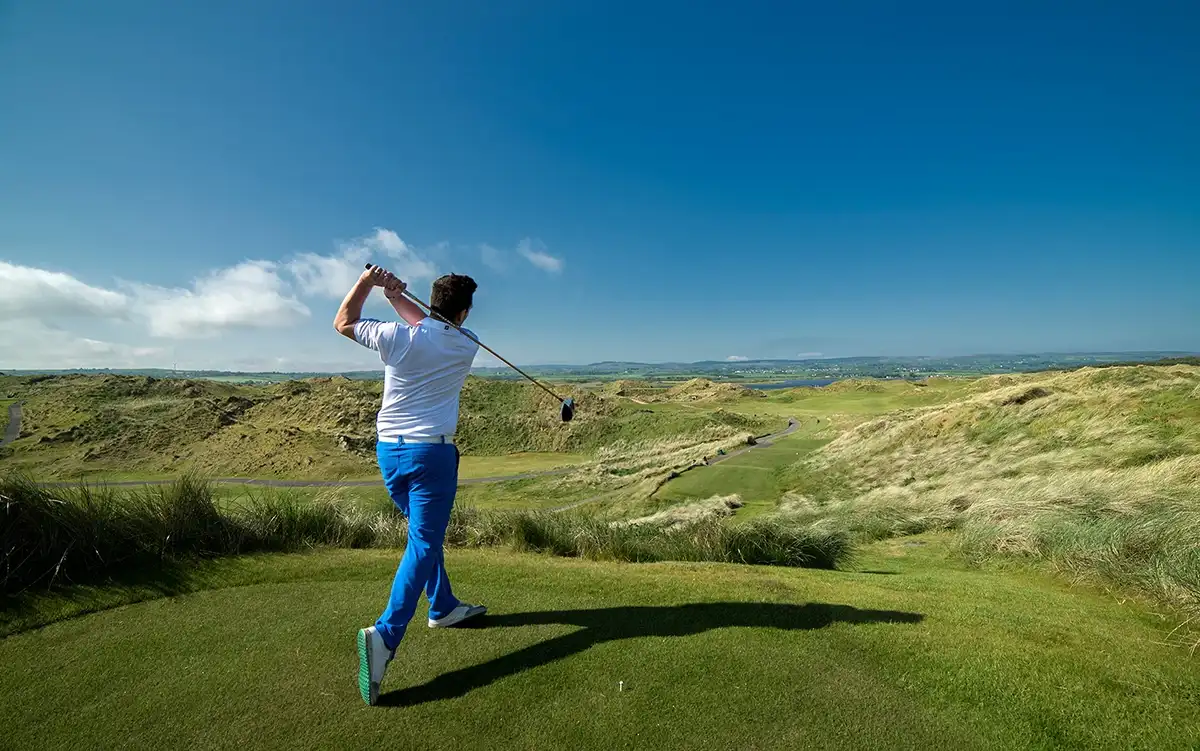
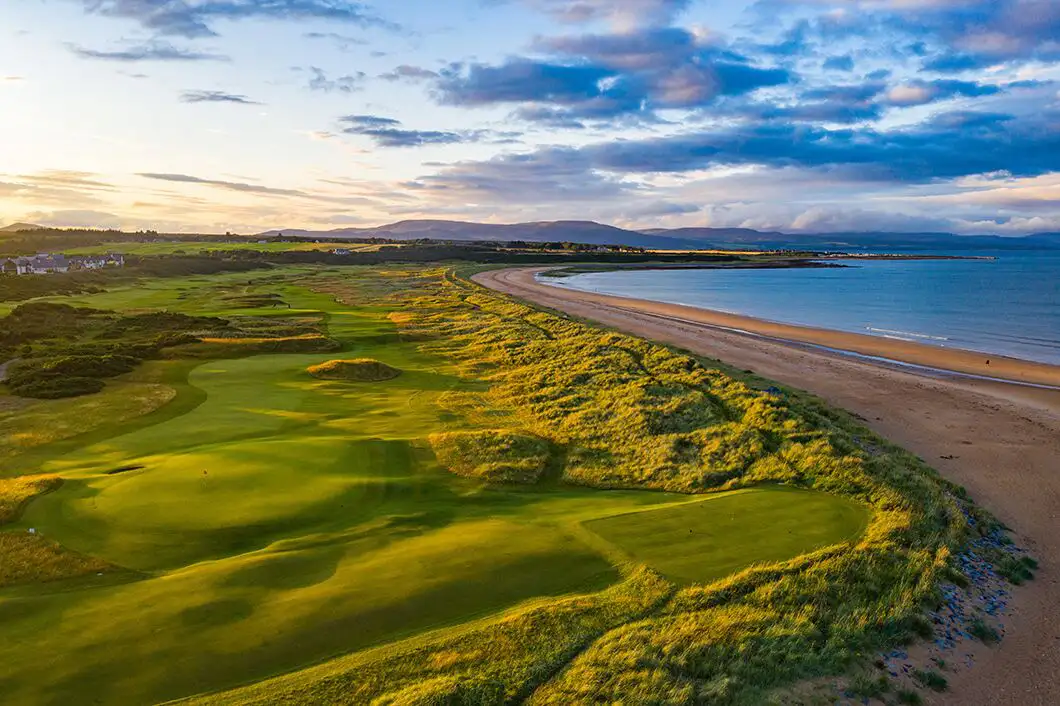
Links golf — seaside turf, dunes, changing winds — is often the first image of golf in Ireland, but it’s only one part of the story. Parkland golf offers a different experience, and the best itineraries often include both. Royal Belfast, set on Belfast Lough at Craigavad, is a fine example of why parkland golf belongs in an Irish golf trip.
Links vs Parkland
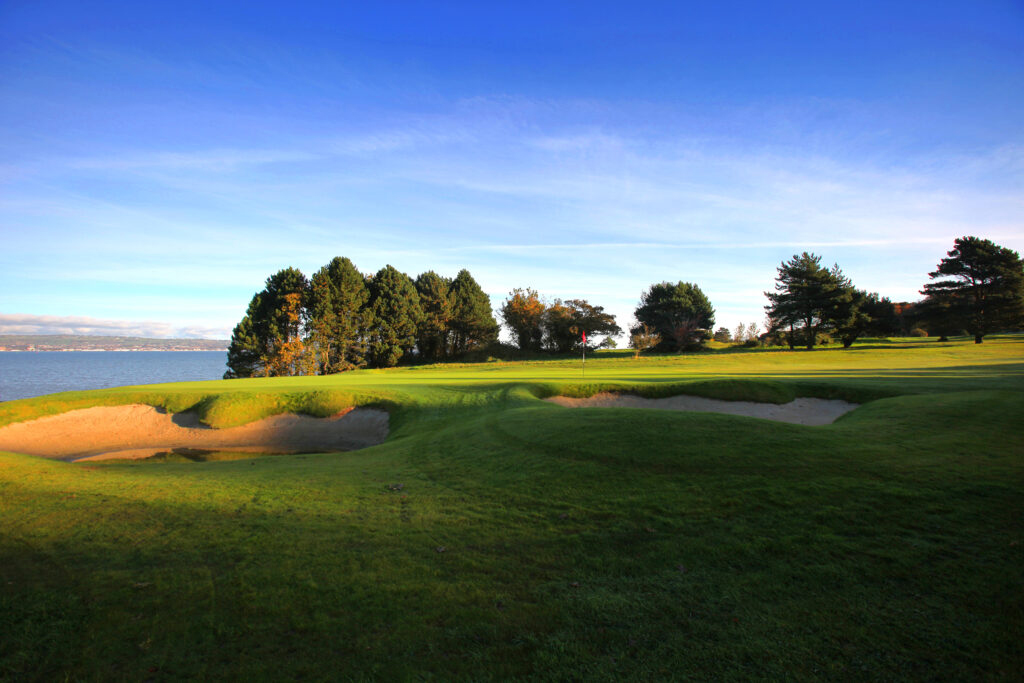
Links golf is played on sandy coastal land shaped by dunes and wind, asking for imagination and adaptability. Parkland golf, by contrast, is shaped by trees, contours and defined fairways, rewarding precision and course management over raw distance and ground game. At Royal Belfast, that style is expressed through the 1925 Harry S. Colt design — strategic rather than overpowering, with narrow landing areas, well-positioned bunkers and subtly contoured greens.
Different club selection and strategy
Golfers coming to Royal Belfast from the links usually notice the difference within a few holes. The skills that work on firm seaside turf need adjusting on a parkland course, and a few changes to club selection and strategy help.
Approach shots: carry, not run
On a links, the ground does much of the work. A low shot landed short of the green can run on to the putting surface. Parkland turf is softer, so the ball stops closer to where it lands. At Royal Belfast, the bunkers around the greens, including those guarding the par-3 4th, catch shots that come up short.
Tee shots: position over distance
Links fairways are often wide, with the trouble in the rough and pot bunkers. On a parkland course, trees and out of bounds define the lines. Harry S. Colt’s 1925 design rewards accuracy from the tee, with narrow landing areas and fairway bunkers placed to catch the long but wayward drive. On holes such as the 8th, with out of bounds along one side, a fairway wood or long iron from the tee can be the better choice.
Around the greens: more loft
On a links, the putter or a bump-and-run with a mid-iron is often the safest option from off the green. Softer parkland turf makes that less reliable. Here, a pitch with a lofted wedge, landed on the green, gives more control.
On the greens
Royal Belfast’s greens have subtle contours rather than the larger slopes of many links. Insider tip: Everything runs to the sea!
The wind still matters
The course is parkland, but it sits on Belfast Lough. On holes near the water the wind can still affect club selection.
What to pack
If you’re carrying a set for a links-and-parkland trip, keep your full range of wedges. A low-flighted long iron or driving iron earns its place on the links, while extra wedge loft helps on the parkland.
Why Combine Both
A trip with variety is often the most memorable one. After the drama of the links, Royal Belfast offers a calmer contrast: heritage, shelter and strategy, while staying close to the sea, the city and the wider landscape of Irish golf.
| Links Course | Location | Drive From Royal Belfast |
|---|---|---|
| Kirkistown Castle | Cloughey, Ards Peninsula | About 40 minutes |
| Royal County Down | Newcastle, Co. Down | About 50 minutes |
| Ardglass | Ardglass, Co. Down | About 50 minutes |
| Royal Portrush | Portrush, Co. Antrim | About 1 hour 15 minutes |
| Portstewart | Portstewart, Co. Londonderry | About 1 hour 15 minutes |
| Castlerock | Castlerock, Co. Londonderry | About 1 hour 20 minutes |
The Royal Belfast Difference
Established in 1881 with Royal status dating to 1885, Royal Belfast isn’t simply a parkland course near the city — it’s Ireland’s oldest golf club, giving visitors a deep connection to the roots of the game alongside a distinctive style of play.
We look forward to welcoming you to Craigavad.